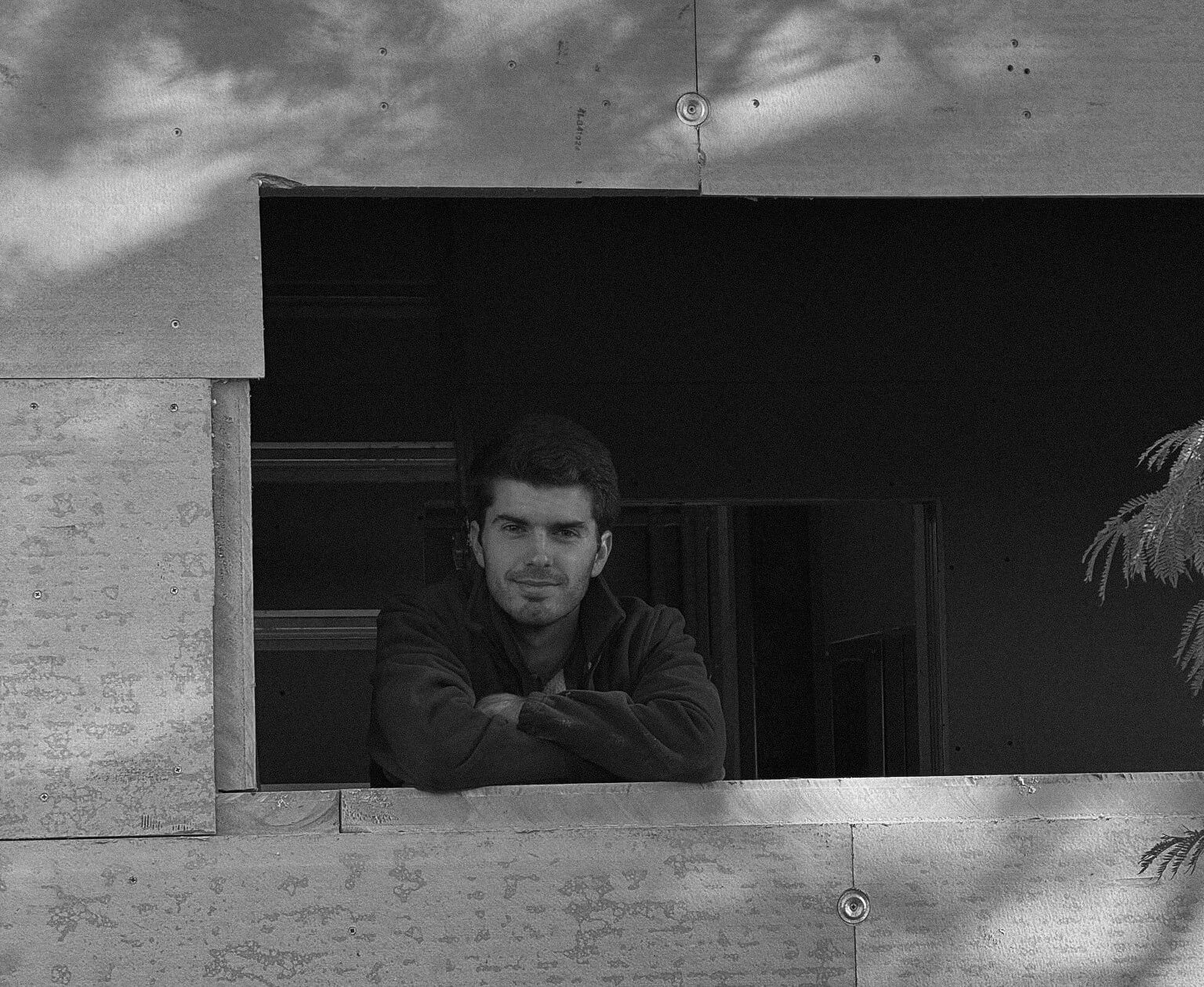
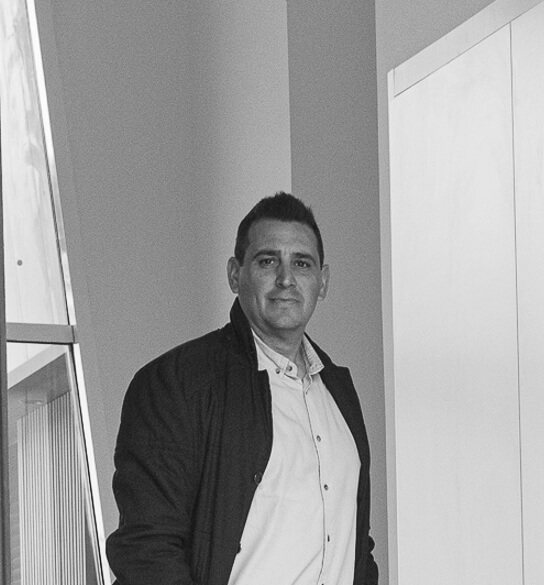
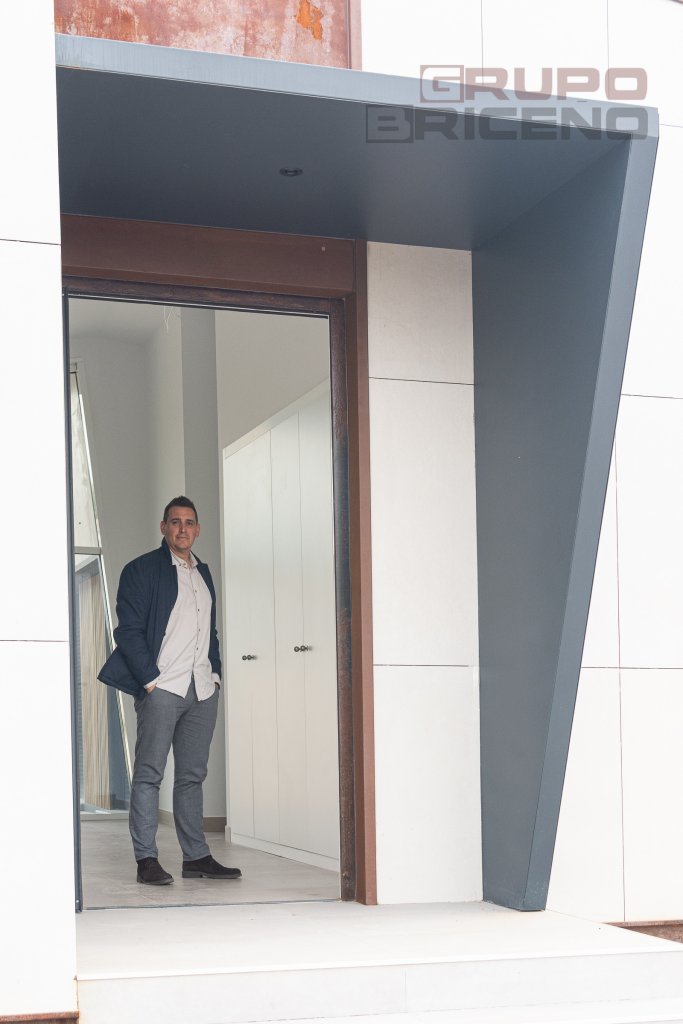
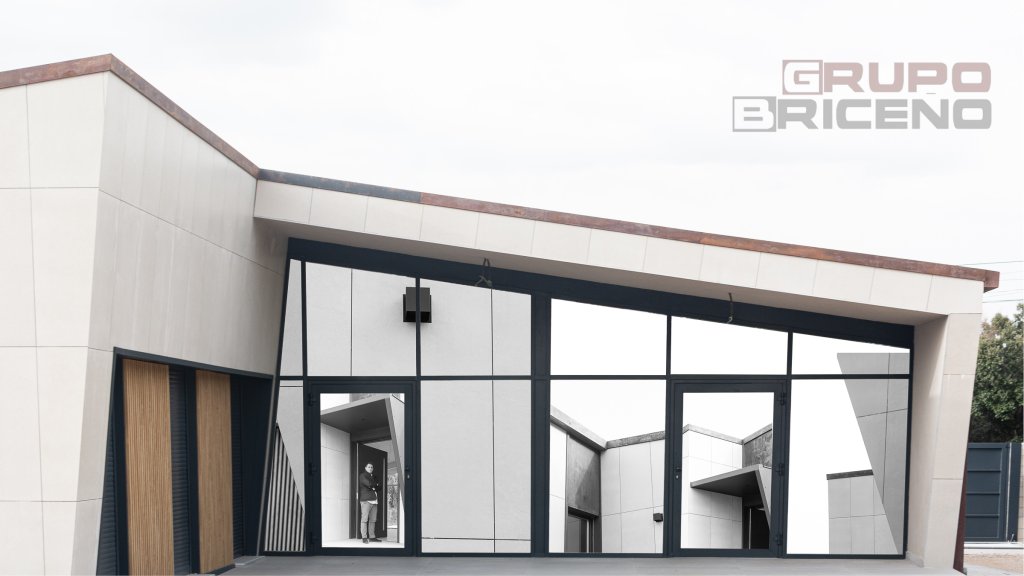
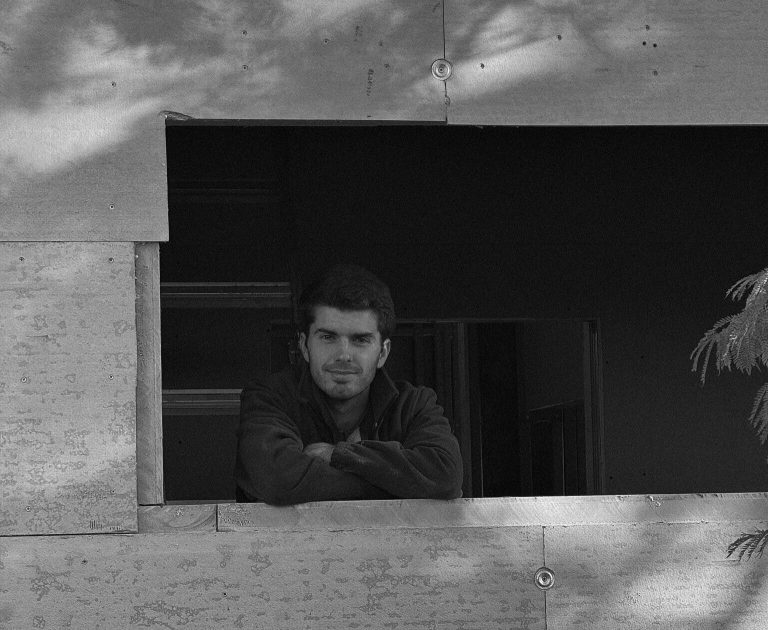
With more than 50 years of experience in the metal sector, today we interviewLuis Martinez, manager ofGrupo Briceño, which has made industrialisation, technical precision and control of construction processes its main hallmark. Luis is also part of thethird family generation dedicated to the metal sector, a business project that he shares with his three brothers, with whom he is a partner and with whom he drives this evolution of the company.
Historically specialized in metal constructions, structures and industrialized solutions, the company has transferred this way of working to the field of residential construction, betting on dry systems, comprehensive planning and workshop manufacturing as pillars to build more efficient, sustainable homes with higher final quality. This natural evolution, fruit of ajoint bet of the four brothers, based on defining each project from the design and producing each element under industrial standards, allows Grupo Briceño to offer reliable execution deadlines, less uncertainty in the work and a high level of finish, consolidating itself as a relevant actor in the advancement of industrialized construction in Spain
The shift to industrialisation
What led you to take the step towards industrialized construction and what problems did it help you solve compared to the traditional system? Let’s talk about your project.
(deadlines, quality, labor, precision, sustainability…)
A:Our project was born from scratch with a clear idea of industrialisation. GRUPO BRICEÑO has specialized in metal constructions for more than 50 years and it could be said that industrialisation is part of the company’s DNA. In this aspect, all the parts or elements that we manufacture are always made in the same way, which could be broken down into four clearly differentiated phases:an initial phase of technical design, a second phase of manufacturing in our facilities, another third phase of surface finish treatments and a final phase of transportation and installation at its destination.
Well, the intention in this new project was and is to apply this philosophy and way of working in the comprehensive construction of the home.
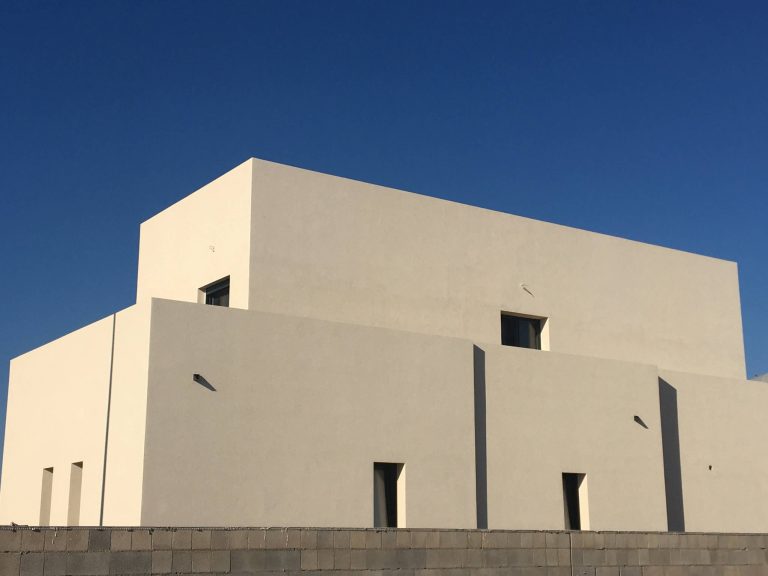
From the beginning we wanted to work in a way that was as industrialized as possible, but without giving up making a singular and unique house, designed for a specific type of client. Very soon we understood that to develop a project of this nature we would have to have a different design and project, and this objective was possible thanks to the collaboration with the team made up of HéctorMuñoz and Hani Jabertwo architects who instantly understood our needs and our intentions, and carried out a prototypical project of a modern home, efficient, clean but with character.
For us, the commitment to quality and execution deadlines is essential to ensure the satisfaction of our clients, aspects that are difficult to guarantee in traditional construction, largely due to the lack of professionals that this sector suffers from.
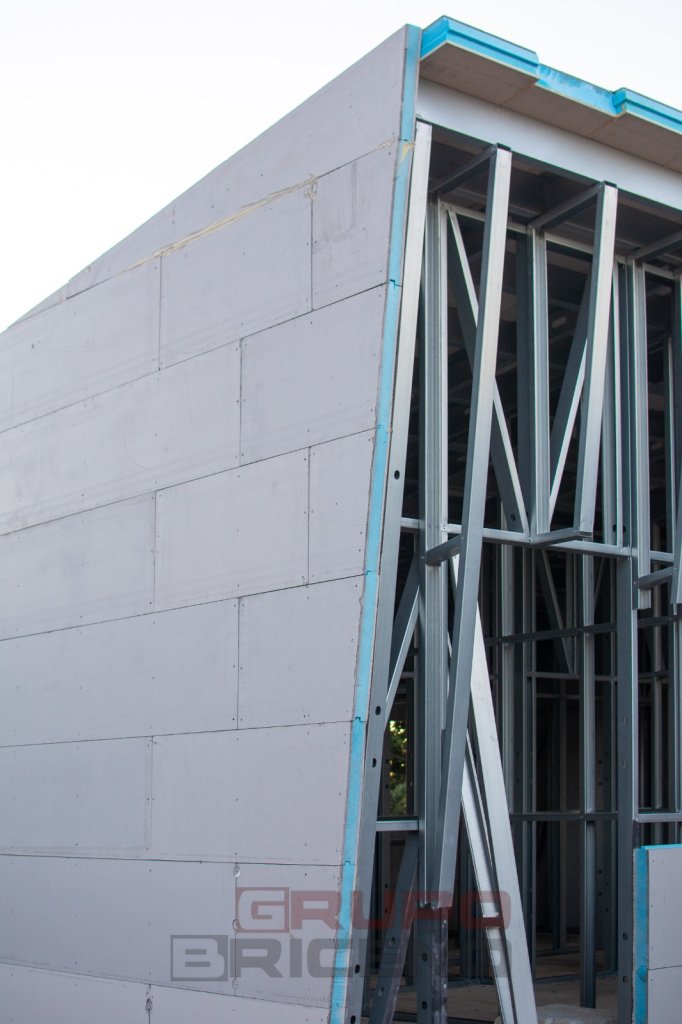
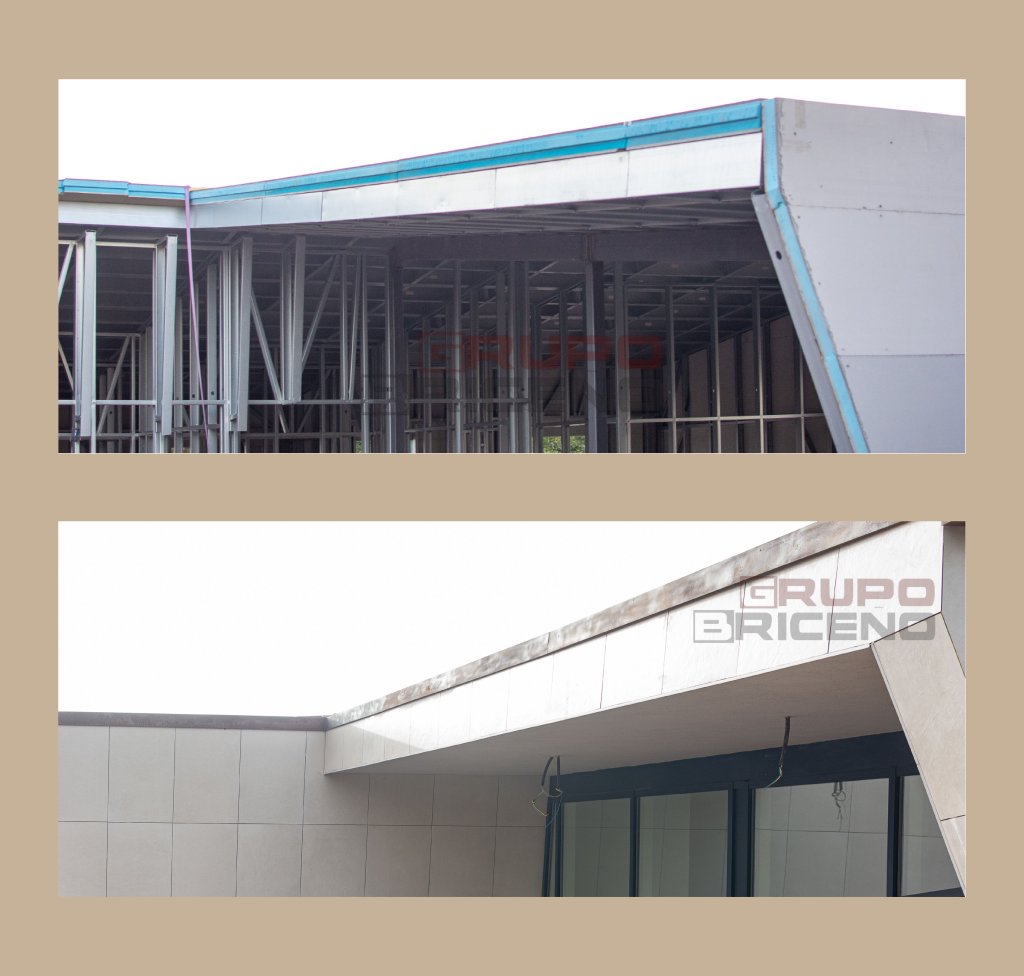
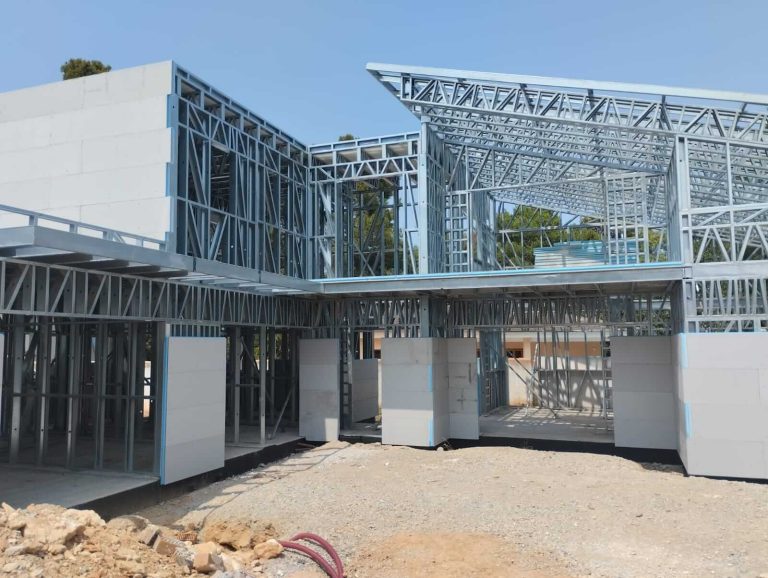
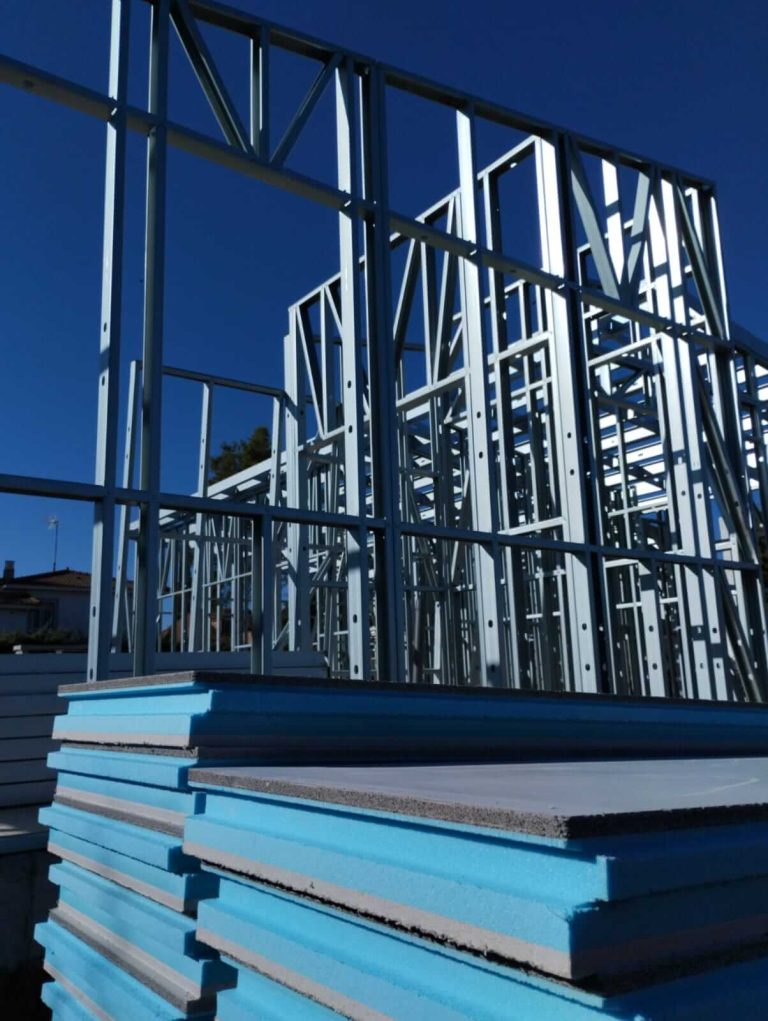
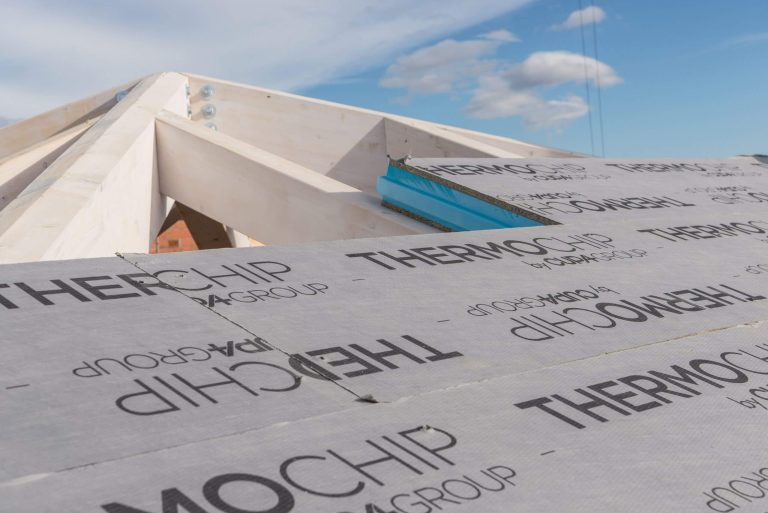
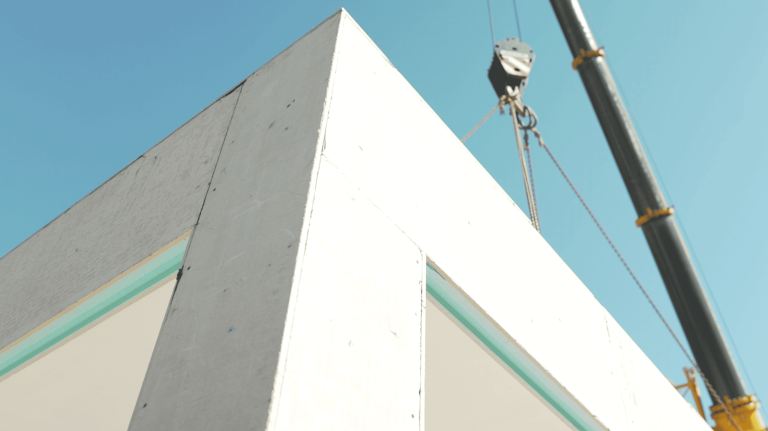
In this project we have workedwith structuresteel frameand enclosuresThermochip, both on the roof and on the façade, since they are two systems that fit together perfectly. In thedeck, the panel is finished with a flat tile, and in thefacadeIt is solved with ceramic panels. This has allowed us to build more precisely, faster and with less uncertainty on site.
Choice of Thermochip
Why did you choose Thermochip dry systems over other solutions on the market? What advantages would you highlight after having used them on site?
A:The reality is that since it is our first industrialized construction project, we investigated different possibilities and finally opted for theThermochip because it seemed to us to be a clear and reliable system.
In the current context, in which it is very difficult to find truly specialized labor, it is essential for us to rely on proven solutions that give us a total guarantee of reliability.
Whenever you face new challenges, some uncertainty is generated to a certain extent. In our case, and as I mentioned previously, it was our first industrialized construction project and I have to say that those small inevitable doubts were instantly dispelled.
Both the systemThermochipand their team of professionals have made things easier for us from the beginning, giving us quality technical support, from carrying out a detailed study of the project to optimize the material, through providing detailed drawings of all the parts for the correct installation of the system, and even carrying out an on-site training day with our entire team of assemblers.
The truth is that the experience has been satisfactory and after having used this system, we are clear that it fits with our way of working and that we will surely continue using it in future projects.
Ease of installation and execution
From a construction point of view, how has the assembly and installation experience of the panels been? Have you found it easier and more efficient than traditional construction systems?
A:In our project, we use two models of PanelsThermochip: the TFbcY 60-85mm panel for the façade cladding and the TFbcY 100-125mm panel for the roof.
In both cases, Thermochip provided us with all the dismantling, cutting and positioning plans of the panels. With this guide and the training of our team of assemblers we carry out the work quickly and efficiently.
The main positive differences that we have found between this system and traditional construction have been:
- Less execution time on site.
- Optimization of materials.
- Lower energy consumption on site. Less water consumption and less electricity consumption.
- Less waste production.
In short, we have been able to verify that it is a more efficient and environmentally friendly form of construction.
organisation and management of work
How has the planning, coordination and logistics of the work changed when working with industrialized systems?
A:In these aspects, the change has been important. industrialisation allows you to define the project very well from the beginning and have everything thought out and planned long before arriving on site.
This involves more prior work but the results are visible with the reduction of execution times, and above all with the verification that the “pieces” fit, the forecasts are met and the quality of what was built is palpable.
There is less improvisation, fewer problems and more control over what is happening at any given moment.For us, this way of working is much more coherent with the way we understand construction.
Result and final client
¿Have you noticed differences in end customer satisfaction and after-sales since using industrialized systems such as Thermochip?
A:The experience has been very positive. The home has been delivered with a very high level of quality, without defects, and the client has received it with great confidence. Furthermore, we have had no after-sales incidents, which in the end is one of the best indicators that the system works.
Future vision
How do you see the future of industrialized construction in Spain and what role do you think systems like Thermochip will play in that growth?
A: For us, industrialisation is not an end in itself,but a tool that allows us to ensure quality, execution time and maintenance of control throughout the construction process.
We believe that industrialisation is not a fad, but rather a quite logical response to the current situation of the sector. There is less and less specialized labor and, at the same time, we are required to build better, faster and more sustainably.
Both the team of Architects formed by Hector Muñoz and Hani Jaber and GRUPO BRICEÑO as a builder think that this system allows us to make custom-made homes, well built and with greater control of the process. If used judiciously, it can be a very important part of the future of construction.