Thermochip certifies its panel for sanitary floors as an anti-radon barrier
Currently radon is the largest source of natural radioactivity, it is the most important risk factor for lung cancer in non-smokers, and the second in smokers.This gas can accumulate in homes to the point that it poses a serious health risk.Therefore, it is essential to have buildings that have corrective measures to avoid this problem. One of the main corrective measures are protective barriers, which isolate the home so that radon does not infiltrate any space. Recently the panel systemThermochip Housing for sanitary floorsin contact with the ground, has been certified by the environmental radioactivity laboratory of the University of Cantabria as a protection barrier against radon.
What is the situation in the homes?
As a general rule, the main exposure to radon occurs in homes. The concentration of this gas depends on the amount of uranium contained in the rocks and soil beneath homes, and the path it finds to leak depends on the type of construction, ventilation, and tightness of the building.
Radon enters houses through cracks in the floors, in the joints of the floors and the walls, spaces around pipes or cables, small pores in walls built with hollow concrete blocks, or through sinks and drains. Basements and cellars are the spaces where there are highest concentrations due to direct contact with the ground.
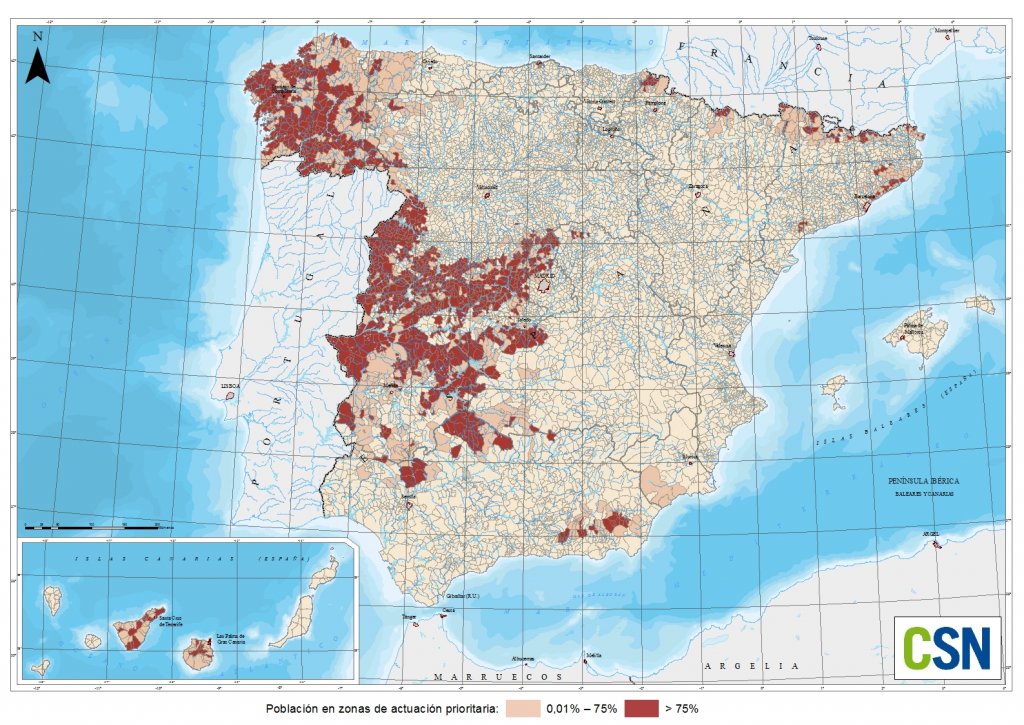
To assess whether buildings are well protected, it is necessary to measure the concentration of this gas. This is done through the quantification of radioactivity in becquerels (Bq) in the air, the concentration of radon is measured by the number of transformations per second in a cubic meter of air (Bq/m3). The WHO establishes 100 Bq/m3 as the “optimal” level for the concentration, and 300 Bq/m3 as the limit. In Spain since the 1980s, various studies have revealed high concentrations of radon in Galicia, western Asturias, the westernmost part of Castilla y León, Extremadura and northwest Andalusia, among other geographical areas. Recent studies estimate that some 250,000 buildings may be accumulating radon in Spain.
Priority action areas due to radon concentration – Source: Nuclear Safety Council
Aware of this problem, in 2019 the technical building code included in its last update of theBasic HS Health Document, section HS6“Protection against exposure to radon”, which establishes a scope of application and a requirement in relation tothe concentration limit with a reference level inside habitable premises of 300 Bq/m3 for the annual average concentration.
How to avoid high concentrations of radon gas in a building?
The main solution to mitigate radon gas concentrations inside buildings is to implement effective corrective measures. These can be executed either in the construction of a new building, or later with the intervention in existing buildings.
In existing buildings, it is essential that, in advance, an accredited entity make the pertinent measurements to obtain the results of the average annual concentration of radon inside. Once completed, the person in charge of writing the technical documentation to execute the work will indicate which corrective measure is most effective based on the construction characteristics of the building and its situation with respect to other buildings.
Among the corrective measures included in the technical building code we will find: protective barriers, ventilated containment space, soil depressurization system, soil pressurization system, and ventilation of living spaces.
Thermochip Housing, a protection barrier against radon
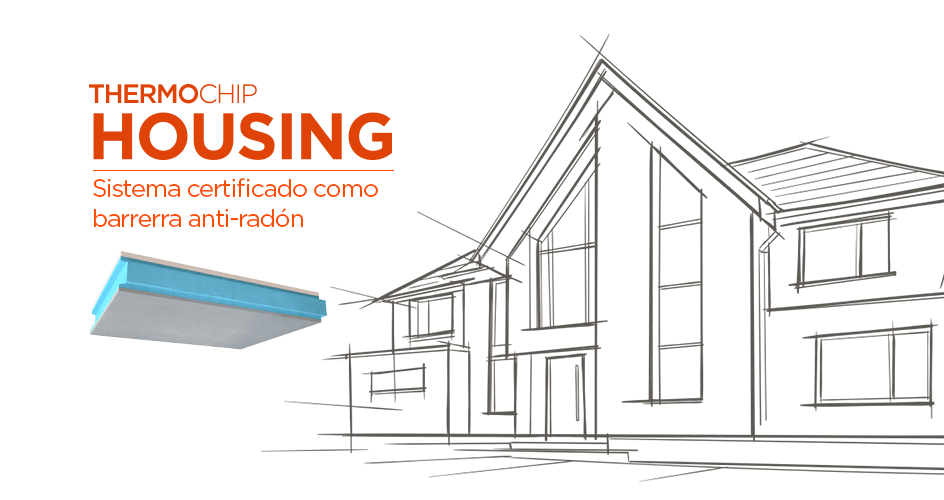
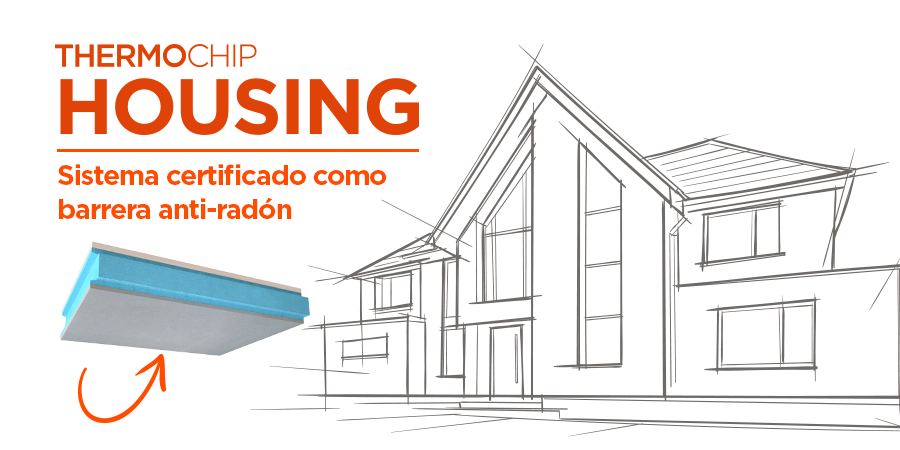
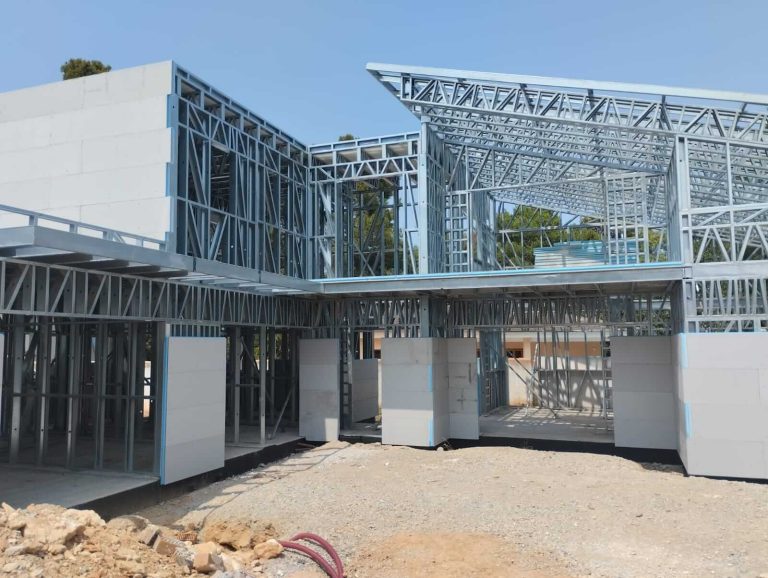
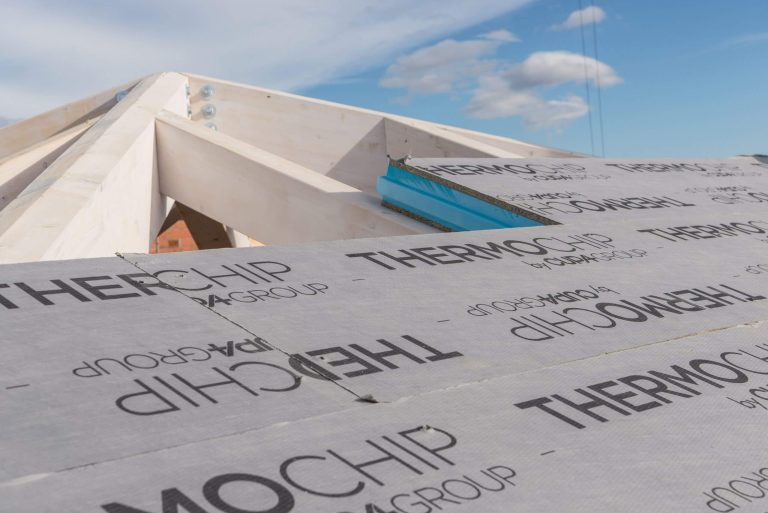
Thermochip HousingIt has recently been certified as one of the corrective measures against radon.Specifically as a protection barrier certified by the environmental radioactivity laboratory of the University of Cantabria. The technical code establishes that a membrane-type barrier will be considered as such with a diffusion coefficient against radon of less than 10-11 m2/s and a minimum thickness of 2 mm. The certification obtained guarantees that our system ofTFBCy panelsFor sanitary floors, they have a diffusion coefficient against radon of 10-13m2/s, one hundred times less than that required by regulations, and a thickness of 65 mm.
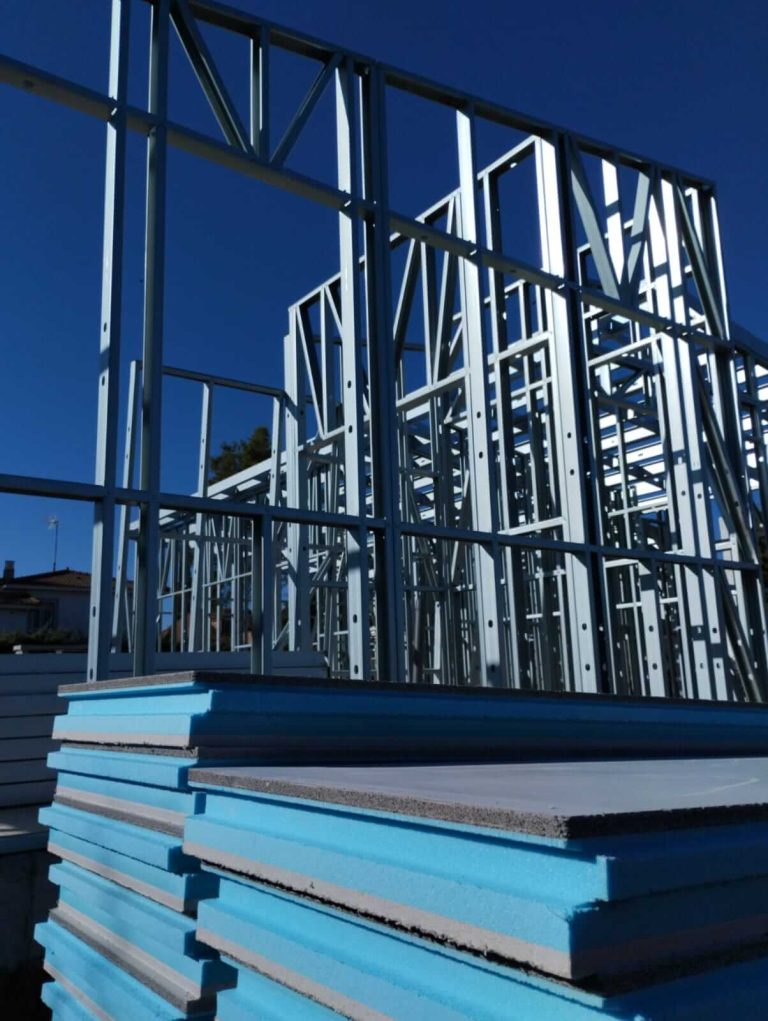
Our panel system for slabs from the Thermochip Housing rangeIt is the only continuous insulation solution for mezzanines and sanitary floors without the need to implement more sheets or any other additional material.. The panels of this product line are made up of a fiber-gypsum board on the inside, a continuous insulating core of extruded polystyrene (XPS), and a second fiber-cement board on the outside.
Through the correct installation of the Housing systems for sanitary floors, all the specifications and requirements included in the basic health document of the technical code are met, among which we find the following characteristics:
1) Have continuity: sealed meetings and meetings;
2) Have sealed the encounters with the elements that interrupt it, such as pipeline passages or similar;
3) Communication doors that interrupt the continuity of the barrier must be watertight and equipped with an automatic closing mechanism;
4) Do not present cracks that allow radon to pass through convection from the ground; It is considered that the cracks that allow the passage of radon from the ground by convection are the cracks that connect the two faces of the barrier.
5) Have a durability appropriate to the useful life of the building, its conditions and the planned maintenance.
Regarding the benefits of this type of corrective measure, we highlight that it can reduce the concentration of radon by around 96%, once installed it does not require large maintenance costs, and it improves the humidity in front of the building.
Despite numerous studies indicating the danger of radon in homes, until recently no important measures had been taken in this regard. Thanks to greater awareness, together with the new update of CTE, and innovative materials such as our panels for sanitary floors, both manufacturers and professionals can provide a solution to this problem that affects so many living spaces, present and future.
If you want to know more information about our certified panels for sanitary floors and the rest of the envelope, our commercial technical team is at your disposal to accompany you in the design and execution process of your projects, offering advice on regulatory compliance. Contact themhere.
Utilizamos cookies propias y de terceros. Puedes aceptar todas, rechazar las opcionales o configurar tus preferencias.
Funcionales
Always active
El almacenamiento o acceso técnico es estrictamente necesario para el propósito legítimo de permitir el uso de un servicio específico explícitamente solicitado por el abonado o usuario, o con el único propósito de llevar a cabo la transmisión de una comunicación a través de una red de comunicaciones electrónicas.
Preferencias
El almacenamiento o acceso técnico es necesario para la finalidad legítima de almacenar preferencias no solicitadas por el abonado o usuario.
Analíticas
El almacenamiento o acceso técnico que es utilizado exclusivamente con fines estadísticos.El almacenamiento o acceso técnico que es utilizado exclusivamente con fines estadísticos anónimos. Sin una requerimiento, el cumplimiento voluntario por parte de su proveedor de servicios de Internet, o los registros adicionales de un tercero, la información almacenada o recuperada sólo para este propósito no se puede utilizar para identificarlo.
Seguimiento
El almacenamiento o acceso técnico es necesario para crear perfiles de usuario para enviar publicidad, o para rastrear al usuario en un sitio web o en varios sitios web con fines de marketing similares.