Thermochip debunks false myths about dry construction
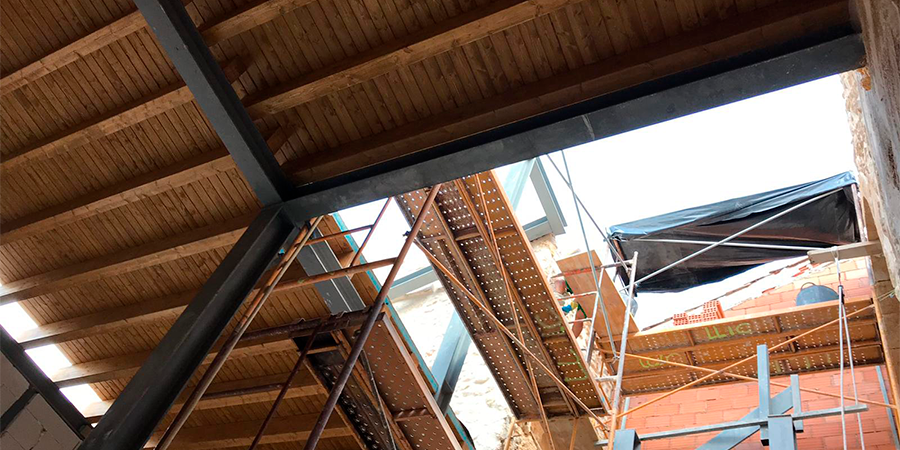
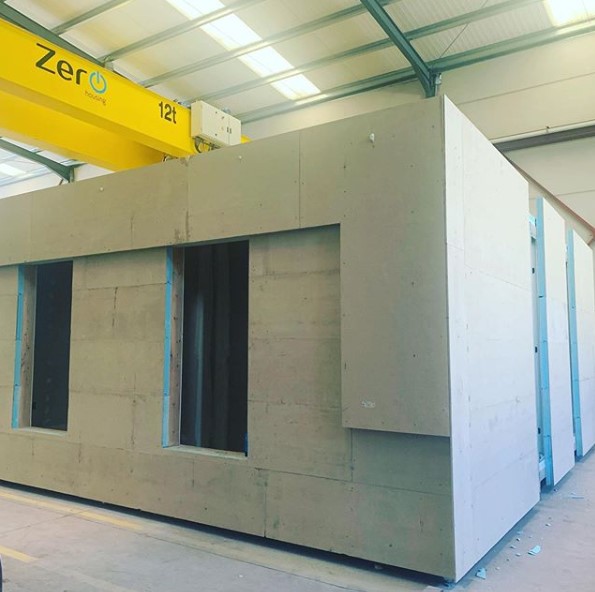
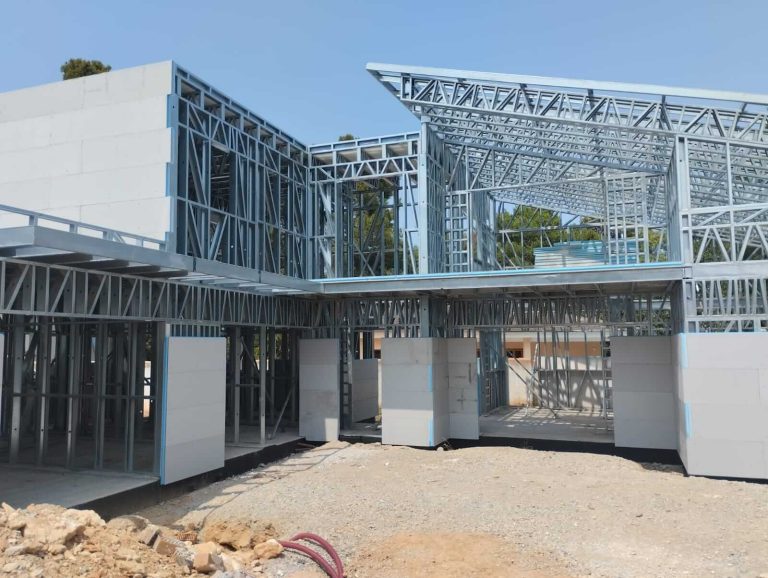
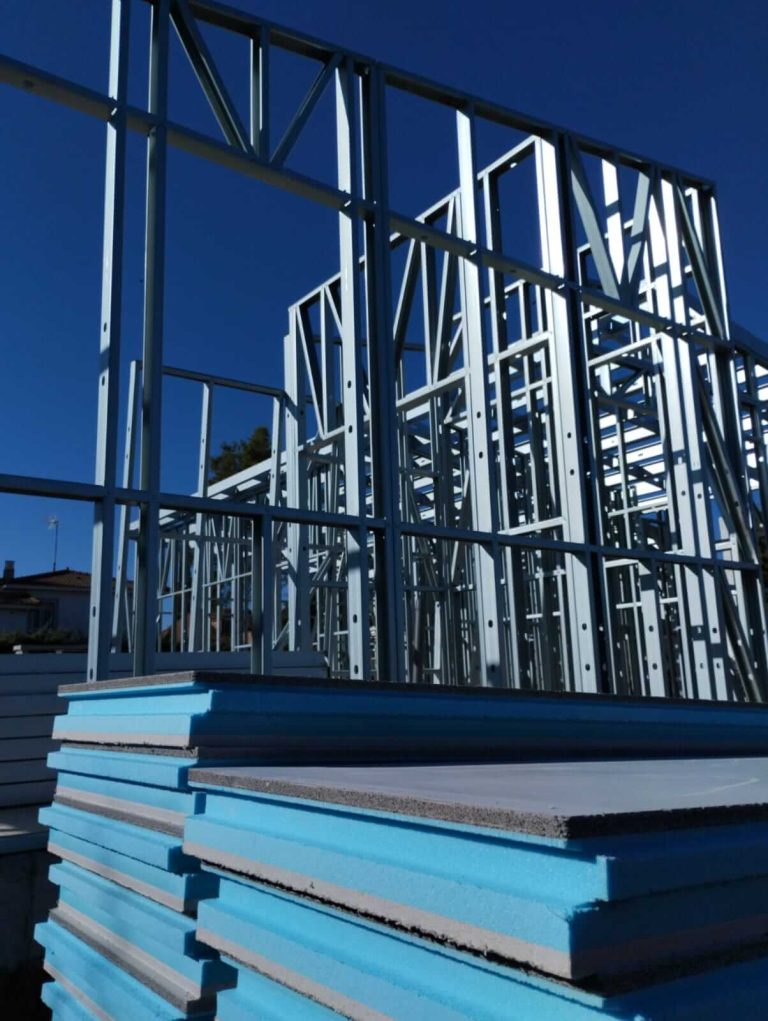
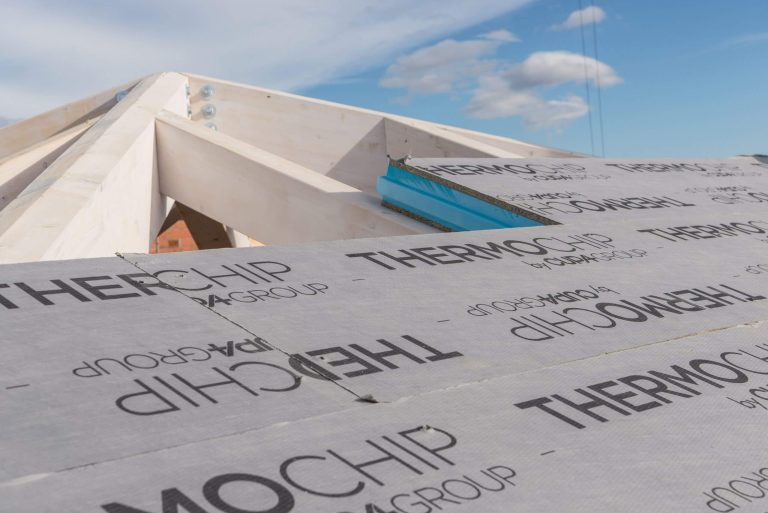
Dry construction replaces with dry or prefabricated components the largest number of wet components that make up a work, such as reinforced concrete, mortars, plasters, masonry and any material that conditions the rapid progress of the work with its setting time. However, its implementation in the sector is relatively recent (no more than 40 years), and in some cases it is associated with false myths about its performance and benefits. The systemThermochip Housingis a dry construction proposal that consists of a construction system based on light panels for the enclosure ofcovers, forgedandfacadesof high-performance buildings with low environmental impact.
This type of construction is efficient, sustainable and clean. Beyond the myths that have been created around it, dry construction has as many or more benefits than wet construction. Next, we dismantle the main myths about dry construction and give you real data on the performance and benefits of a system with these characteristics like Thermochip Housing:
MYTH 1: “Walls built dry do not insulate acoustically”
Fake.
As a general rule, when hitting a dry construction wall we hear a “hollow” sound. In principle, this can make us think that the enclosure may have poor performance when it comes to acoustic insulation. However, this is false, precisely this hollow sound is due to the insulation and resistance characteristics that characterize this type of construction and not to a deficient system. A lightweight dry construction wall can insulate up to 70% more acoustically than a wet construction wall.
In the case of Thermochip Housing, the acoustic insulation provided is superior to traditional systems:
SATE-COAT: 49 RA(dBa)
SATE-WALL: 52.1 RA(dBa)
FLOOR: 42.6 RA(dBa)
FLOOR-COAT: 55.4 (dBa)
MYTH 2: “Dry constructions do not support a large amount of weight”
Fake.
A lightweight construction is not synonymous with weak. Structural frameworks of wood or steel are prepared to withstand therequired loadsin each project. What they do achieve is a decrease in the self-weight of the structure as the structures are more precise in their calculation. This has an impact on benefits such as a foundation with a smaller dimension, less excavation.
MYTH 3: “Dry construction generates humidity problems”
Fake.
Dry construction is not only characterized by not consuming water during the construction process, but also by avoiding the most common humidity problems of traditional constructions. The thermochip housing panels have materials with high resistance to humidity. In addition, the fibrogypsum panels that it incorporates function as a humidity regulator for the interior environment.
Additionally, in the event of a water loss, the repair in dry systems is much more agile and cleaner. Once the leak is located, it is easier to dismantle the enclosure compared to traditional systems, avoiding chipping and generating debris.
MYTH 5: “Dry construction encourages the spread of fire”
Fake.
The materials that make up dry systems have low combustibility, which reduces the risk of fire. Preventing the spread of fire to the rest of the building and from one building to another. Likewise, the low structural weight of dry constructions (four times less than one made of bricks, for example), will generate considerably less damage in the event of a possible collapse.
The Thermochip Housing system has a fire resistance of up to EI 120 depending on the needs of each project and a reaction to fire of B-S1,d0 suitable for any use.
MYTH 6: “Dry construction requires more maintenance and lasts less”
Fake.
Through correct installation, dry constructions can last more than 100 years, proof of this is the enormous number of works carried out over decades.
The possibilities with dry construction are endless: single-family homes, multi-family homes, high-rise buildings, daycare centers, hospitals, shopping centers, schools, laboratories, today are examples of the possibilities that exist to verify that dry construction stands the test of time.
Correct installation of the system guarantees high durability for any building built in dry construction. Also allowing a number of advantages over wet work such as the reuse of materials, their recycling, disassembly or easy transformation of the space.
In conclusion, dry systems provide enormous benefits both in execution and in results. Among its main advantages:
• Avoids humidity pathologies typical of masonry construction.
• Sustainable system without water consumption.
• Excellent acoustic and thermal performance with smaller thicknesses, with great use of the useful surface.
• Flexibility and speed in the case of home extensions or renovations.
• Low maintenance. If we need to make an arrangement or renovation in the facilities, the process will be less complicated as we can dismantle the enclosure without generating debris, allowing us to work more comfortably.
• Greater safety and protection against fire.
Do you want to know more information about this dry construction system?
Our commercial technical team is at your disposal to accompany you in the design and execution process of your projects with Thermochip Housing, offering advice on regulatory compliance. Contact themhere.
Utilizamos cookies propias y de terceros. Puedes aceptar todas, rechazar las opcionales o configurar tus preferencias.
Funcionales
Always active
El almacenamiento o acceso técnico es estrictamente necesario para el propósito legítimo de permitir el uso de un servicio específico explícitamente solicitado por el abonado o usuario, o con el único propósito de llevar a cabo la transmisión de una comunicación a través de una red de comunicaciones electrónicas.
Preferencias
El almacenamiento o acceso técnico es necesario para la finalidad legítima de almacenar preferencias no solicitadas por el abonado o usuario.
Analíticas
El almacenamiento o acceso técnico que es utilizado exclusivamente con fines estadísticos.El almacenamiento o acceso técnico que es utilizado exclusivamente con fines estadísticos anónimos. Sin una requerimiento, el cumplimiento voluntario por parte de su proveedor de servicios de Internet, o los registros adicionales de un tercero, la información almacenada o recuperada sólo para este propósito no se puede utilizar para identificarlo.
Seguimiento
El almacenamiento o acceso técnico es necesario para crear perfiles de usuario para enviar publicidad, o para rastrear al usuario en un sitio web o en varios sitios web con fines de marketing similares.