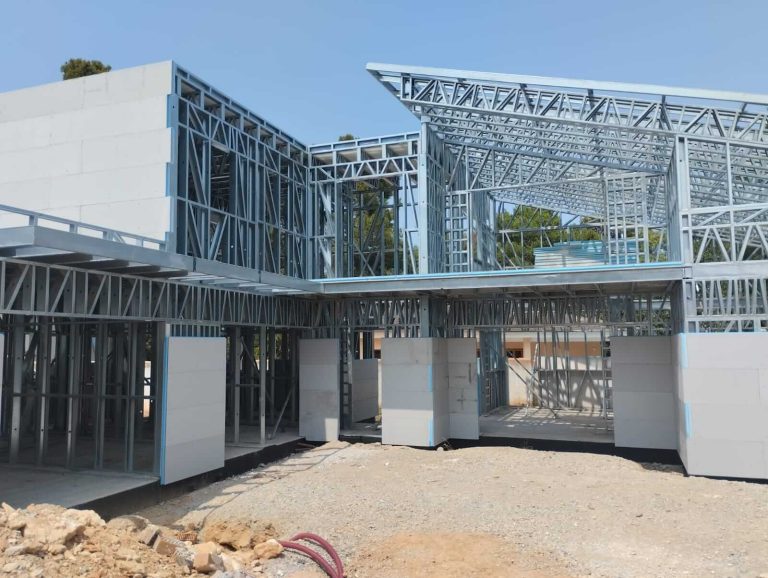
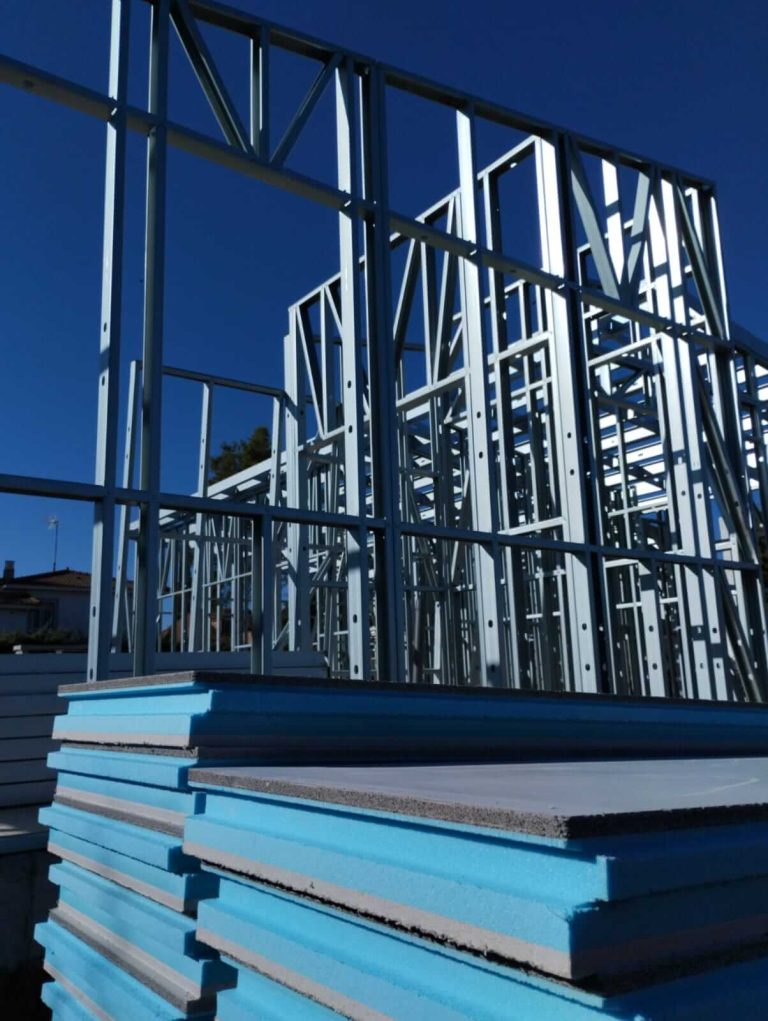
Industrialized construction not only redefines the way we build, but is also positioned as a fundamental pillar to improve accessibility to housing. Their methodologies directly impact the reduction of deadlines and costs, making it possible for more people to access quality homes.
Financial Efficiency Through Planning and Production
industrialisation allows for cost forecasting and optimization that traditional construction cannot match:
• Greater Predictability and Budget Control: Thanks to exhaustive planning from the initial phases of the project (often enhanced by BIM methodologies), a cost estimate is achieved with a significantly higher degree of precision. This minimizes budget deviations and unexpected cost overruns.
• Economies of Scale in Standard Components: The manufacturing of construction elements through long production runs in factory environments allows the unit cost of components to be reduced. The standardization and optimization of production processes translate into substantial savings in the acquisition of materials.
Reduction of Indirect Costs and Optimization of Work Execution
Beyond direct material costs, industrialisation significantly cuts expenses associated with project management and development:
• Lower Investment in Machinery Rental: By accelerating construction execution times, the need to rent heavy machinery (cranes, lifting equipment) for long periods is drastically reduced.
• Optimization of Project Supervision and Management: The reduced complexity and duration of the assembly phase on site translates into a reduction in supervision and construction management hours, freeing up resources for other projects.
• Reduction of Financing Costs: A shorter work schedule implies less capital immobilization time. This directly translates into a decrease in interest associated with bank loans or project financing, positively impacting the final cost of the home.
•Safety and Health Efficiency: Although safety is a priority in all phases, most of the risk tasks are moved to a controlled factory environment, where stricter and more predictable industrial safety protocols are applied. This reduces risks on site and, consequently, the costs associated with accidents and insurance premiums.
Rehabilitation as a Vector of Accessibility
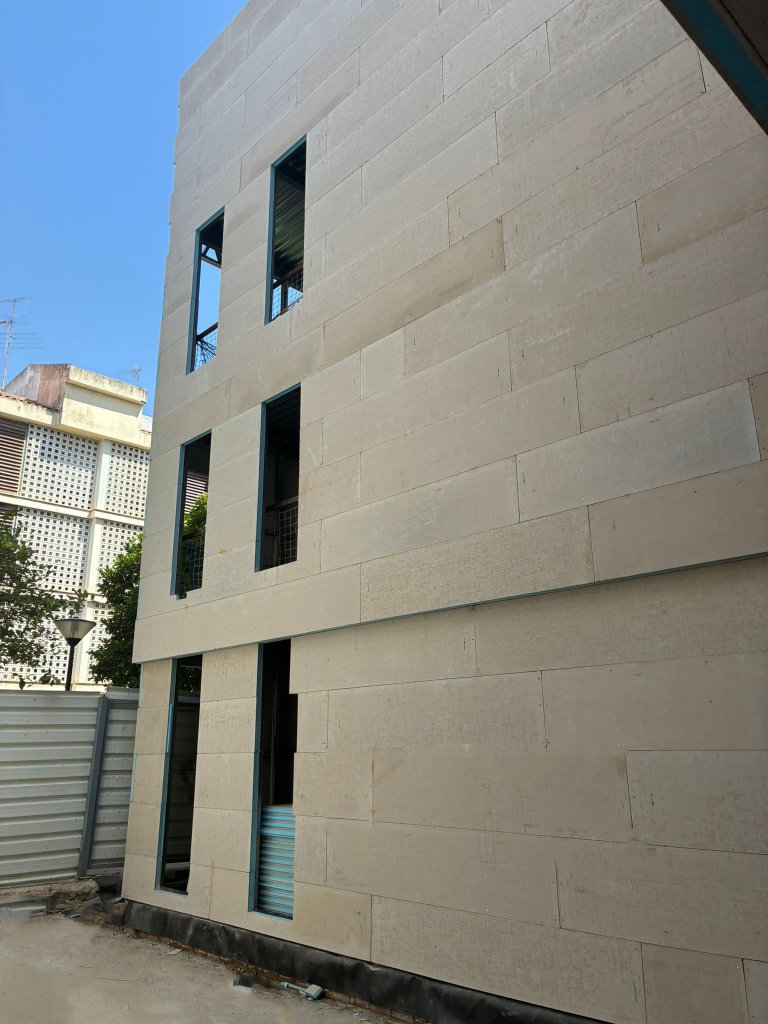
Although industrialized construction is known for its application in new construction, its impact on the rehabilitation of buildings is equally transformative and key to the accessibility of existing housing:
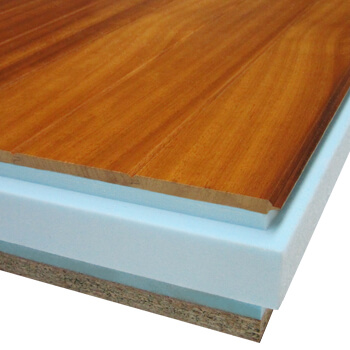
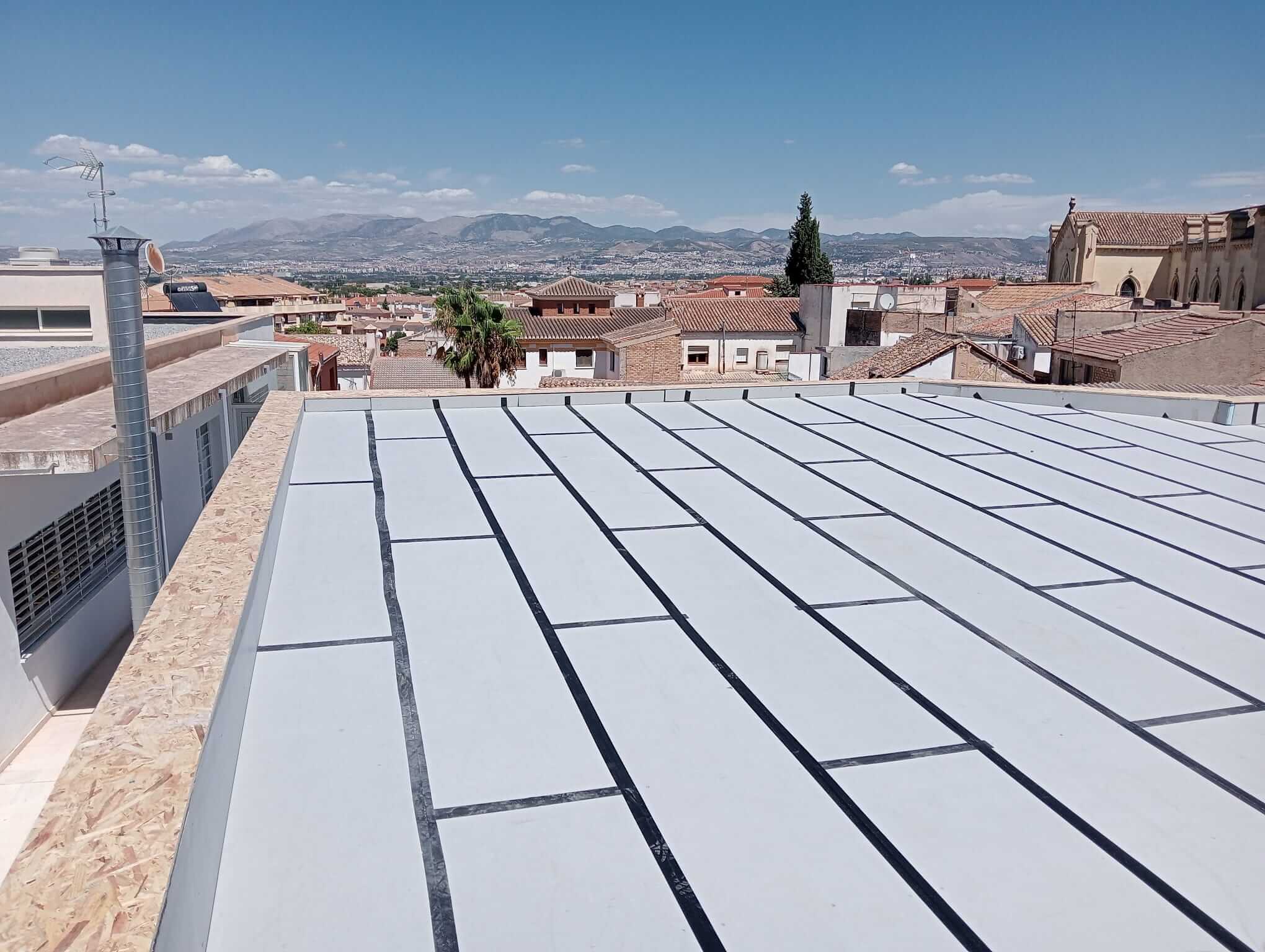
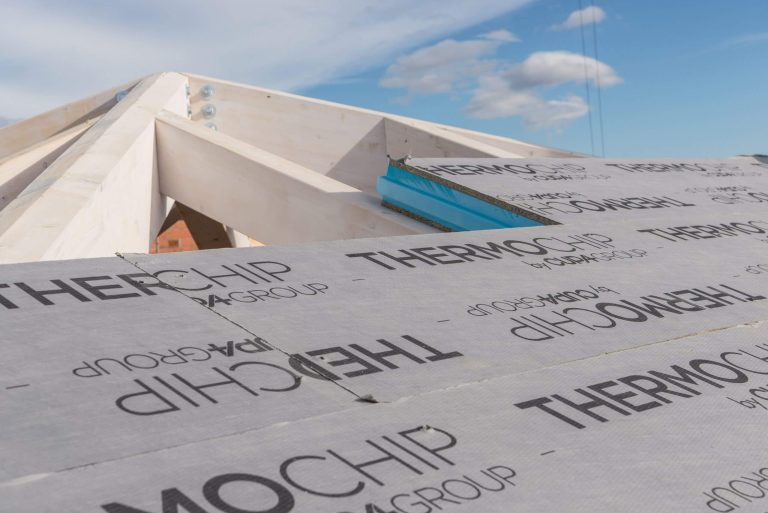
• Light and non-invasive solutions: Industrialized systems, such as sandwich panels for floors and roofs, offer extremely light solutions. This is crucial in rehabilitation, since they do not overload the existing structure of the building, avoiding costly reinforcement interventions.
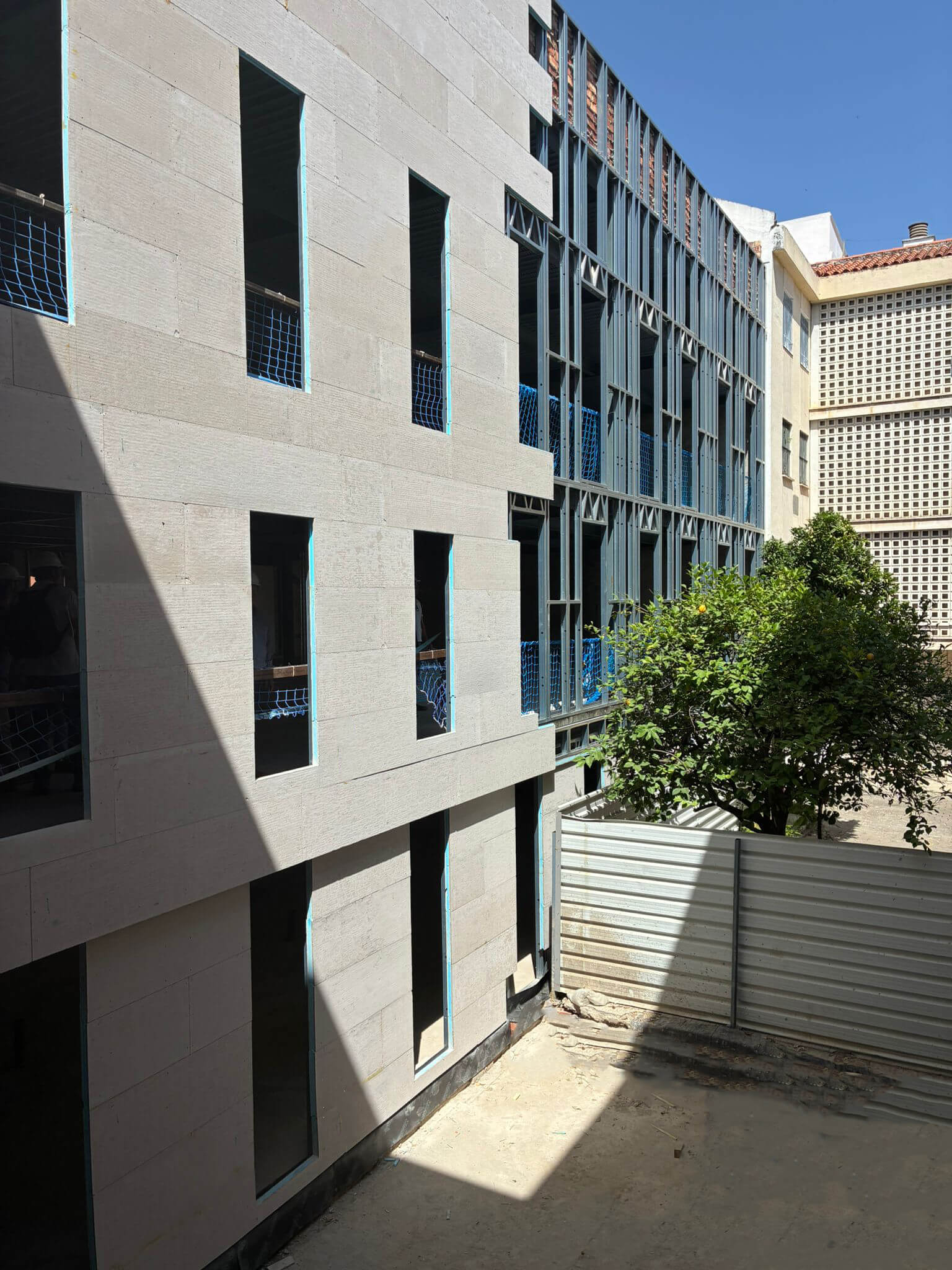
• Minimum Waste Generation and Water Consumption on Site: Prefabrication drastically reduces waste generation on the construction site and minimizes water consumption, which is not only sustainable, but also reduces waste management and cleaning costs, a direct benefit in urban environments.
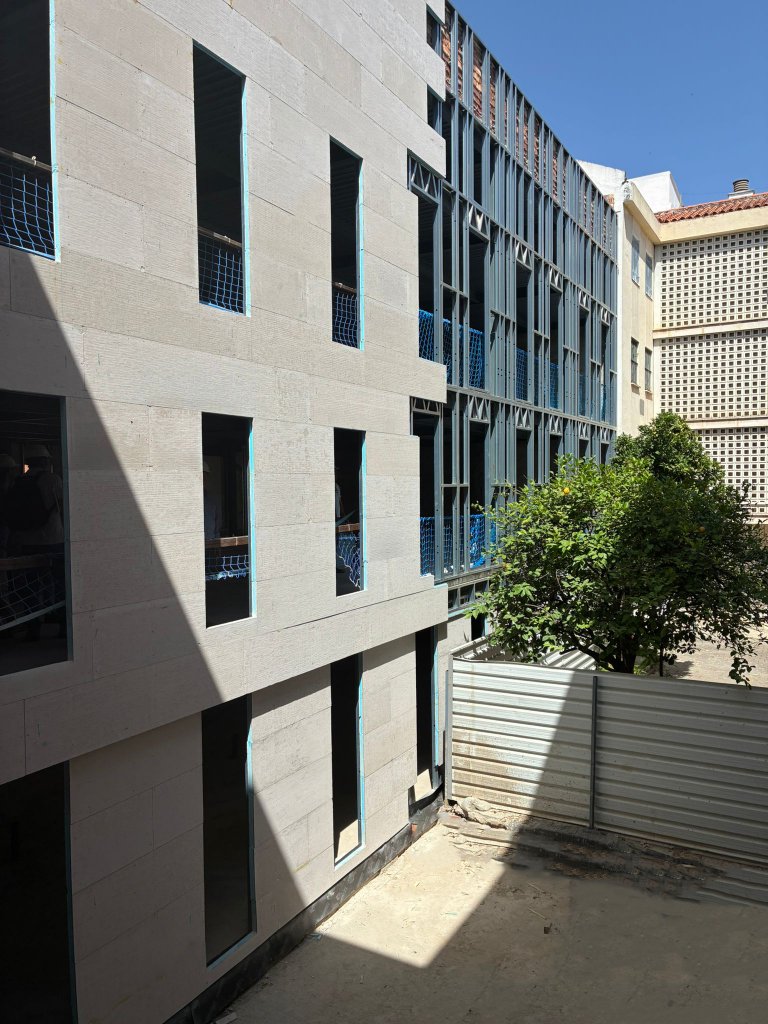
• Fast Execution with Improved Quality: The speed of assembly of these systems reduces inconvenience to occupants or neighbors, and allows a substantial improvement in the quality and comfort of the rehabilitated buildings in record time.